Restorative Justice
TPPC's Commitment to Restorative Action
In 2023, TPPC concluded a very successful capital campaign. From its inception, a commitment was made to set aside a tithe of 10% of the amount raised in the campaign to be spent for mission. The tithe turned out to be a significant amount of money, which gave us an opportunity to consider deeply the impact we could make with it. TPPC’s Social Witness and Action Committee (SWAC) was asked to research possibilities and make a proposal for the use of the tithe to Session. SWAC, along with other TPPC groups such as the Critical History Project (CHP) and the Committed Racial Mindfulness (CRM) group, began discussions as early as 2020. From the beginning, attention was focused on reparations, which later shifted to restorative action. Both terms address past injustices against equity-deserving populations, which provided our church and community with advantages that we enjoy to this day. We spent a number of years in discussion, study, research, and reflection. The end result was a decision to use the capital campaign tithe to begin a long-term commitment to restorative action in two areas.
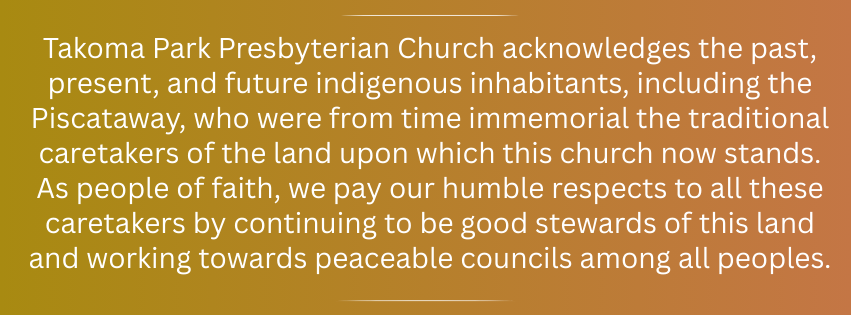
Our commitment to Nekamaco reflects the reality that our church building sits on land that was at one time taken involuntarily from Native folks. TPPC commits to continue restorative actions by making annual payments to Nekamaco into the future, and search for ways to connect and build community with local Native peoples.
Our commitment to beginning and evolving our microlending project recognizes the probable role of slavery in the early founding of our church, and reflects a commitment to restorative action towards people of color in our community. This project will fill a crucial lending gap for local entrepreneurs.
Both of these initiatives provide opportunities for individual TPPC members and friends to contribute financially, amplifying TPPC's commitments. We urge our community to read the documents at the links above, to educate ourselves on the history and current reality of restorative action, and to prayerfully consider making our own individual commitments to this effort.